
Blog
Which Duduk Should I Buy? A Simple Guide for Beginners and Musicians
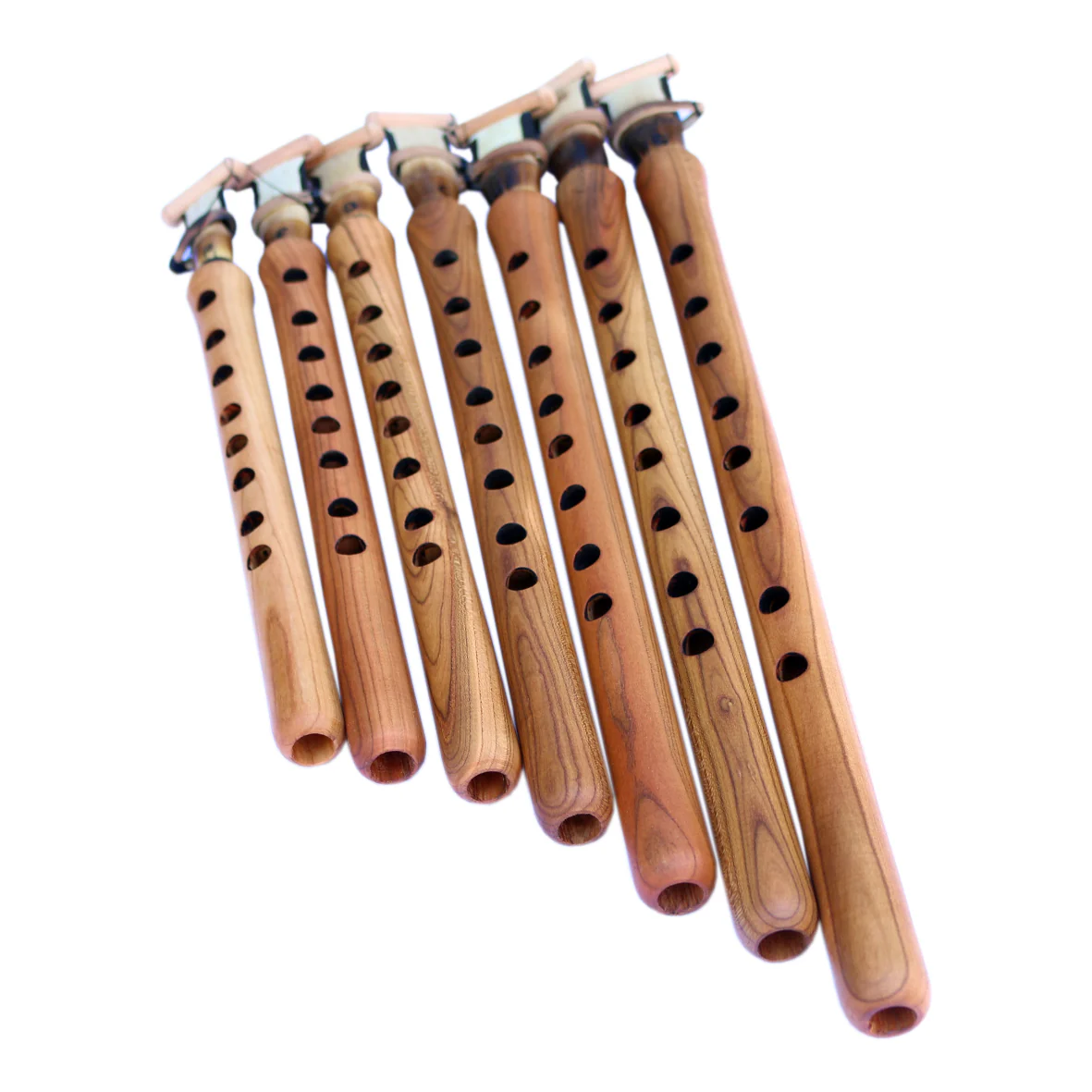
Feb
Choosing your first duduk can feel confusing. There are different keys, reed types, and price levels — and if you’ve never played before, it’s not always clear where to start.
This guide explains everything in a simple, human way so you can confidently choose the right duduk for your needs.
Whether you want to play Armenian music, meditate, record, or just explore a new instrument, the right duduk will make learning much easier and more enjoyable.
First: What is a Duduk?
The duduk is a traditional Armenian woodwind instrument made from apricot wood. It uses a large double reed that gives it its warm, human-like sound. The tone is soft, deep, and emotional — very different from a flute or recorder.
Because the reed and breath control are unique, choosing the correct duduk matters a lot, especially for beginners.
Step 1: Choose the Right Key
The most important decision is the key of the duduk. Each key has a different sound character and difficulty level.
A Duduk (Most Recommended for Beginners)
This is the most popular and versatile choice.
- Warm, deep sound
- Comfortable to play
- Used for learning and meditation
- Most tutorials use A duduk
👉 If you’re not sure — choose A.
It’s the safest and most recommended option.
G Duduk
- Slightly deeper sound
- A bit more air required
- Good second instrument
Often chosen after you already play A.
F Duduk
- Very deep and emotional tone
- Requires strong breath control
- More suitable for experienced players
Not ideal as a first duduk.
High-key duduks (B, C, D)
- Brighter sound
- Easier airflow
- Used in ensembles
- Less “classic” duduk tone
Sometimes good for children or players who want lighter blowing resistance.
Step 2: Beginner or Professional?
Beginner Duduk
Good for:
- First instrument
- Learning basics
- Casual playing
Still should be made from real apricot wood and properly tuned.
Professional Duduk
Better for:
- Recording
- Stage performance
- Experienced players
Usually:
- More stable tuning
- Better reed response
- Deeper tone
If budget allows, many beginners choose a good-quality instrument from the start to avoid upgrading too soon.
Step 3: Reed Matters More Than You Think
The reed (ghamish) is half of the instrument’s sound.
A good duduk should come with:
- Properly adjusted reed
- Matching tuning
- Protective case
Beginners often struggle not because of the duduk body — but because of a poor reed.
Always choose a seller who prepares the reed for you.
Step 4: What Do You Want to Use It For?
Ask yourself why you want a duduk.
For Meditation & Relaxation
Best choice:
- A key duduk
- Warm tuning (sometimes 432 Hz)
- Easy-response reed
For Learning Armenian Music
Best choice:
- A key duduk
- Standard tuning
- Beginner reed
For Recording & Performance
Best choice:
- Professional A or G duduk
- Multiple reeds
- Stable tuning
As a Gift
Best choice:
- A key duduk
- Ready-to-play
- With case and reed
Step 5: What Makes a Good Duduk?
Look for:
- Apricot wood body
- Accurate tuning
- Smooth finger holes
- Balanced airflow
- Prepared reed
- Sound sample from seller
Avoid very cheap duduks with no sound demo.
Common Mistakes When Buying
Buying the cheapest option
Poor tuning and bad reed make learning frustrating.
Choosing wrong key first
Most people should start with A.
Ignoring the reed
A good reed changes everything.
No sound sample
Always listen before buying.
Recommended First Duduk Setup
If you want a safe choice:
- Key: A
- Material: Apricot wood
- Includes: Reed + case
- Tuning: Standard or 432 Hz
- Level: Beginner-friendly professional
This setup works for 90% of players.
Where to Buy a Duduk
If you’re looking for an authentic Armenian duduk prepared by musicians, you can explore instruments at duduk.am.
Choosing from a specialist shop ensures the reed is adjusted and the instrument is properly tuned before shipping.
Final Thoughts
There’s no single “perfect” duduk for everyone, but there is a perfect first duduk.
If you’re just starting:
Choose an A duduk with a good reed.
Once you begin playing, you’ll quickly understand which sound and key you love most. The duduk is a very personal instrument — over time, many players own several in different keys.
Start simple, choose quality, and enjoy the process of discovering one of the most beautiful sounds in the world.