
Blog
Caring for Your Duduk Reed (Ghamish): A Practical, Human Guide
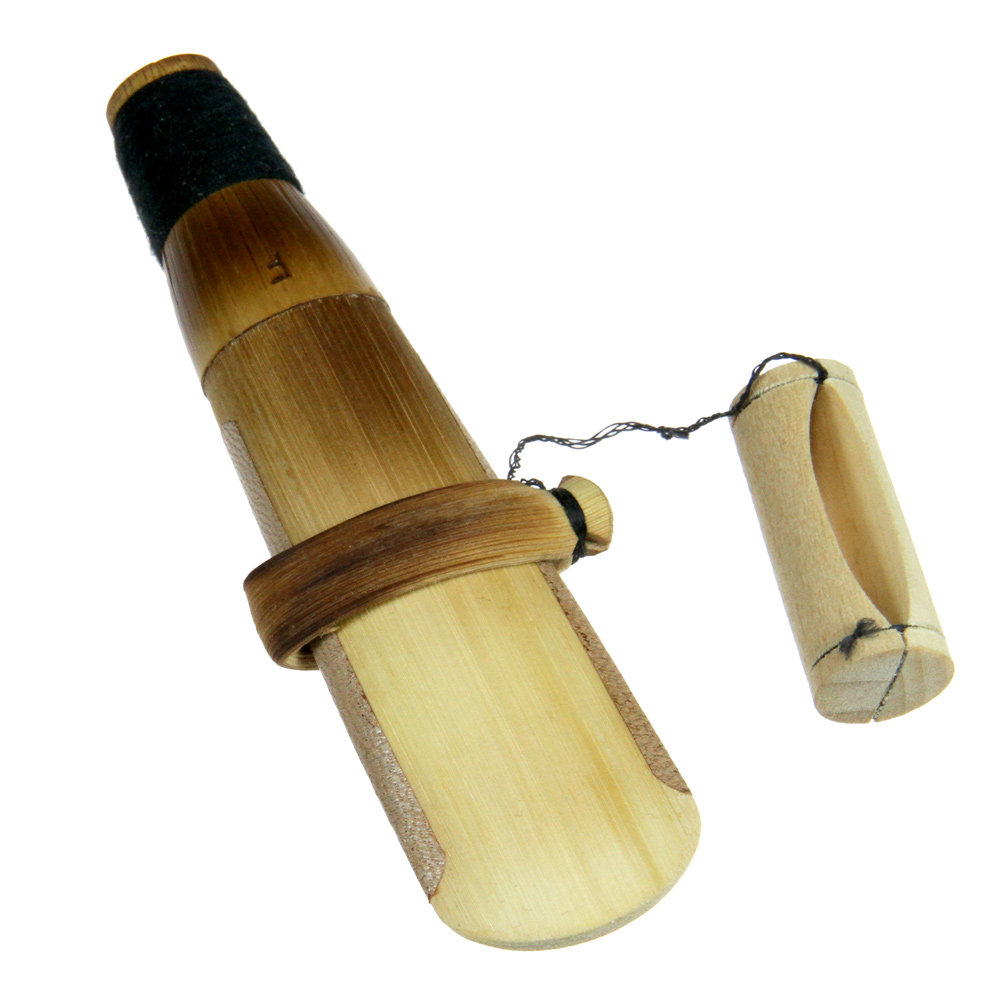
Feb
If the duduk is the soul of the instrument, the reed is its voice. Almost everything about your sound — warmth, tuning, stability, and comfort while playing — depends on how well you care for the reed. Unlike metal or plastic parts, a duduk reed is alive in a way: it reacts to moisture, temperature, and even how you store it. Learning to care for it properly will save you frustration and help your instrument sound beautiful every time you play.
Understanding the Reed
A duduk reed is made from natural cane and works best when it has the right balance of moisture and openness. When it is too dry, it becomes stiff, hard to play, and sharp in pitch. When it is too wet, it becomes overly soft, flat, and unstable. Your goal is always to bring the reed into a comfortable, responsive state before playing.
Think of the reed like a musician warming up — it needs a few minutes to become flexible and ready.
Preparing the Reed Before Playing
1. Moistening the Reed
Most players prepare the reed by adding a small amount of moisture.
- Pour a little clean water into the back of the reed (not the front opening).
- Fill it roughly halfway — no need to soak it completely.
- Gently shake out any excess water.
- Let the reed rest for 15–20 minutes.
During this time, the cane absorbs moisture and slowly opens. Some reeds open faster, others slower. New reeds often take longer to stabilize.
Important:
Avoid letting water drip onto the outer surface of the reed. Excess moisture on the outside can weaken the cane and shorten the reed’s lifespan.
2. Checking the Opening
After waiting, gently open the valve and test a few notes. The reed should feel:
- Flexible but not floppy
- Easy to blow
- Stable in pitch
- If it feels too closed, open it slightly. If it feels too open and soft, close it a bit and give it a few minutes to settle. Every reed has its own personality, and part of playing the duduk is learning how yours behaves.
Many players test the reed with one hand while adjusting the opening with the other. Over time, this becomes second nature.
During Playing
While you play, the reed continues to change. Your breath warms it, moisture builds inside, and the opening may shift. It’s normal to pause occasionally and adjust the reed slightly.
Try not to over-adjust. Small, gentle movements are enough. Sudden or forceful changes can damage the reed or make it unstable.
After Playing
This step is just as important as preparation.
- Close the reed gently using the valve.
- Lift the spring slightly so the back of the reed isn’t pressed down.
- Let the reed dry naturally at room temperature.
Never leave the reed tightly closed while it is still wet for long periods — it can lose shape or develop mold.
Storage Tips
- Store your duduk and reed in a dry, ventilated place.
- Avoid extreme heat, cold, or humidity.
- Do not leave the reed inside a sealed case while wet.
- If traveling, give the reed time to adjust to the new climate before playing.
Humidity and temperature changes affect reeds a lot. In very humid weather, the reed may open on its own. In dry weather, it may need more preparation time.
Long-Term Care
A well-maintained reed can last months or even longer, depending on how often you play.
To extend its life:
- Handle it gently.
- Avoid dropping or squeezing it.
- Do not force it open.
- Let it dry properly after use.
If a reed becomes too soft, unstable, or cracked, it may be time to replace it. Even with perfect care, reeds naturally wear out over time.
Final Thoughts
Caring for your duduk reed is part of the relationship you build with your instrument. At first it may feel like extra work, but soon it becomes a calming ritual before playing. Taking those few minutes to prepare the reed helps you connect with the sound and ensures your duduk responds beautifully.
Treat the reed with patience and respect, and it will reward you with a warm, expressive tone — the true voice of the duduk.